Personalized Introduction
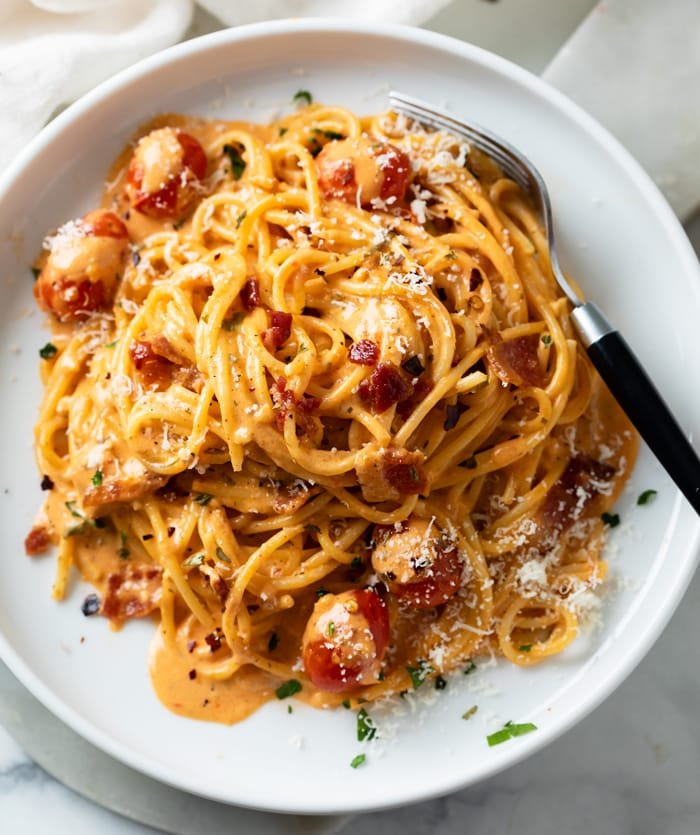
If there’s one pasta dish that always feels like a little reward at the end of a long day, it’s creamy bacon carbonara pasta. You know those evenings when you want dinner to feel extra comforting, but you don’t want to spend forever cooking? That’s exactly where this recipe comes in. It’s rich, silky, savory, and full of cozy flavor, yet it comes together with simple ingredients and a very doable method.
I still remember the first time I tried making a carbonara-style pasta at home. I was honestly nervous because I had heard so many warnings about scrambled eggs and broken sauce. But once I understood the little tricks behind it—using hot pasta, stirring quickly, and letting the cheese and egg mixture turn glossy instead of grainy—it became one of my favorite meals to make. And when crispy bacon entered the picture? That was it. Game over. I was hooked.
This version is a warm, comforting spin on classic carbonara, with smoky bacon, creamy sauce, Parmesan, and plenty of black pepper. It’s the kind of meal that feels restaurant-worthy but still has that relaxed, homemade charm. So if you’re in the mood for a pasta dinner that feels indulgent without being complicated, let me walk you through it like we’re cooking side by side.
Recipe Origin & Story
Traditional carbonara is an Italian pasta dish that comes from Rome. The classic version is beautifully simple: pasta, eggs, cheese, black pepper, and cured pork—usually guanciale, sometimes pancetta. What makes it special is that there’s no heavy cream in the original recipe. Instead, the creamy texture comes from the eggs, cheese, and hot pasta water all working together to create a silky sauce.
Over time, home kitchens around the world created their own versions, especially when ingredients like guanciale were hard to find. Bacon became a common substitute because it’s smoky, easy to buy, and incredibly flavorful. Some cooks also started adding a touch of cream for extra richness and a little more forgiveness in the sauce. That’s where this creamy bacon carbonara pasta fits in—it keeps the spirit of carbonara while making it practical and comforting for a busy home kitchen.
For me, this dish always feels a little nostalgic because it reminds me of those “treat yourself” dinners at home—when you light a candle, grab a big bowl of pasta, and make an ordinary night feel special. It’s the kind of meal that makes everyone go quiet at the table for the first few bites because they’re too busy enjoying it.
Ingredient Spotlight
- Main Star: Bacon is the flavor hero in this recipe. It brings smokiness, saltiness, and that irresistible crispy texture that makes every bite more exciting. As it cooks, it also leaves behind flavorful drippings that help season the whole dish.
- Secret Boost: Freshly cracked black pepper makes a huge difference here. Carbonara isn’t just creamy—it should also have that warm, peppery edge that cuts through the richness. A little garlic is optional, but I love adding just a touch for extra depth.
- Quality Tips: Use good bacon if you can, preferably one with a nice balance of meat and fat. Freshly grated Parmesan works better than the pre-shredded kind because it melts more smoothly into the sauce. And if you have access to pecorino Romano, even better—you can use part Parmesan and part pecorino for a more traditional, punchy flavor.
Nutritional Benefits
This is definitely a comfort-food pasta, but it still has a few nutritional strengths worth appreciating. First, the eggs in the sauce provide protein and healthy fats, which help make the dish feel satisfying and filling. They’re also a source of important nutrients like vitamin B12 and choline.
Parmesan cheese brings more than just flavor. It also adds calcium and protein, plus a deep savory taste so you don’t need a long list of ingredients to make the dish feel complete.
And of course, pasta gives you energy through carbohydrates. When paired with protein from the eggs and bacon, it becomes a hearty meal that really sticks with you. If you want to balance things out, you can always serve it with a crisp salad or steamed vegetables on the side.
Adaptable Variations
- Dietary Swaps: If you need a gluten-free version, simply use your favorite gluten-free spaghetti or fettuccine. For a lighter version, you can reduce the bacon slightly and use whole eggs plus one extra egg white. If you avoid dairy, you can experiment with a dairy-free hard cheese alternative, though the flavor will change a bit.
- Flavor Twists: Add sautéed mushrooms for an earthy touch, peas for sweetness and color, or baby spinach if you want a little green in the bowl. You can also sprinkle chopped parsley on top for freshness.
- Seasonal Spins: In spring, stir in peas or asparagus tips. In summer, serve it with a tomato salad on the side. In autumn, mushrooms are a beautiful addition. In winter, I love pairing it with roasted broccoli or a lemony green salad to brighten up the richness.
Cooking Science Explained
Carbonara has a reputation for being tricky, but once you understand the “why,” it gets much easier. The first big trick is this: the creamy sauce is created by the heat of the pasta, not by cooking the eggs directly over high heat. If the pan is too hot when the eggs go in, they’ll scramble instead of turning silky.
The second trick is pasta water. That starchy water is magic. When you add a splash to the egg and cheese mixture, it helps loosen the sauce and makes it cling beautifully to the pasta instead of turning thick and clumpy.
And finally, bacon fat matters. Once the bacon cooks, it leaves behind flavorful drippings that coat the pasta and build the base of the dish. That’s why carbonara tastes so rich even with such a short ingredient list—every ingredient pulls its weight.
Easy, Step-by-Step Recipe
Ingredients
- 12 oz (340 g) spaghetti or fettuccine
- 8 slices bacon, chopped
- 2 large eggs
- 2 large egg yolks
- 1 cup finely grated Parmesan cheese
- 1/2 cup heavy cream (optional for extra creaminess in this version)
- 2 cloves garlic, minced (optional)
- 1 teaspoon freshly cracked black pepper, plus more to taste
- 1/2 teaspoon salt, or to taste
- 1/2 to 3/4 cup reserved pasta water
- 2 tablespoons chopped fresh parsley for garnish (optional)
Instructions
- Boil the pasta: Bring a large pot of salted water to a boil. Cook the spaghetti according to the package directions until al dente. Before draining, reserve at least 3/4 cup of the pasta water. This step is very important, so don’t skip it.
- Cook the bacon: While the pasta cooks, place the chopped bacon in a large skillet over medium heat. Cook until the bacon is crisp and golden, stirring occasionally so it cooks evenly. Use a slotted spoon to remove some of the bacon to a plate if you want to keep part of it extra crispy for topping later. Leave about 2 tablespoons of bacon fat in the skillet.
- Add garlic if using: Lower the heat slightly and stir the minced garlic into the bacon fat. Cook for about 20–30 seconds, just until fragrant. Be careful not to brown it too much because garlic can turn bitter quickly.
- Make the carbonara mixture: In a medium bowl, whisk together the eggs, egg yolks, grated Parmesan, black pepper, and heavy cream if using. The mixture will look thick, and that’s completely normal.
- Combine pasta and bacon: Add the drained hot pasta to the skillet with the bacon and garlic. Toss well so the noodles get coated in the bacon fat. Remove the skillet from the heat and let it sit for about 30 seconds so it’s hot but not scorching.
- Create the sauce: Slowly pour the egg and cheese mixture over the hot pasta while tossing constantly with tongs or a spoon. Add a splash of reserved pasta water a little at a time, stirring continuously, until the sauce loosens into a glossy, silky coating. This is the moment everything comes together.
- Adjust and finish: Add more pasta water if needed until the sauce is creamy and smooth. Taste and add a little salt if needed, though bacon and Parmesan are already salty. Sprinkle in more black pepper if you love that classic carbonara kick.
- Serve: Divide the pasta into bowls and top with the reserved crispy bacon, extra Parmesan, chopped parsley if using, and another crack of black pepper. Serve immediately while it’s hot and silky.
Practical & Valuable Tips
- Storage: Carbonara is best fresh, but leftovers can be stored in an airtight container in the fridge for up to 2 days. Reheat gently on low heat with a splash of milk or water to loosen the sauce. Avoid overheating or the eggs may become grainy.
- Serving Ideas: I love serving this pasta with a crisp green salad dressed in lemon vinaigrette. Garlic bread is also a great match if you’re leaning fully into comfort-food mode.
- Substitutions: No Parmesan? Use pecorino Romano or a mix of both. No bacon? Pancetta works beautifully. If you’re out of spaghetti, linguine, bucatini, or fettuccine are all good options.
Make-Ahead & Batch-Cooking
I’ll be honest: carbonara is one of those dishes that really shines when it’s freshly made. The sauce is at its best right after tossing, when it’s glossy and silky. That said, you can still prep parts of the recipe ahead of time to make dinner faster.
You can chop the bacon, grate the cheese, and whisk together the eggs, yolks, pepper, and cheese a few hours in advance. Keep that mixture chilled in the fridge until you’re ready to cook. Then all you have to do is boil the pasta, crisp the bacon, and bring it all together at the end.
If you’re cooking for a crowd, I recommend doubling the ingredients and working quickly with a very large skillet or pot so the pasta stays hot enough to create the sauce properly. If the sauce thickens too much while serving, just stir in another spoonful of hot pasta water.
Eco-Friendly Kitchen Hacks
- Use the same pot of boiling water for pasta and, if you’re serving vegetables on the side, blanch them right after the pasta to save water and energy.
- Save your Parmesan rind in the freezer instead of throwing it away—it’s amazing for soups and sauces later.
- If you have leftover bacon fat after cooking, don’t waste it. Store a small amount in the fridge and use it to sauté vegetables or flavor roasted potatoes another day.
- Measure your pasta instead of overcooking too much. It’s a simple way to reduce food waste and keep portions realistic.
Pairing Suggestions
- Beverages: Sparkling water with lemon is a refreshing choice if you want something light. If you enjoy wine, a crisp white wine like Pinot Grigio pairs nicely with the richness of the bacon and cheese. Even a simple iced tea can work if you want to keep it casual.
- Sides & Sauces: A peppery arugula salad, roasted asparagus, steamed green beans, or garlic bread all make lovely side options. If you want a fresh contrast, a tomato salad with olive oil and basil is especially nice.
Frequently Asked Questions
-
Can I make carbonara without heavy cream?
Yes, absolutely. In fact, traditional carbonara does not use cream at all. The eggs, cheese, and pasta water create the sauce. I include cream here only if you want a slightly richer and more forgiving version. -
Why did my sauce turn into scrambled eggs?
The pan was probably too hot when the egg mixture was added. The key is to remove the skillet from direct heat first, then toss the hot pasta with the egg mixture gradually. -
Can I use whole eggs only?
Yes, you can. The extra yolks just make the sauce richer and silkier. If you only have whole eggs, the pasta will still taste delicious. -
What’s the best pasta shape for carbonara?
Spaghetti is the classic choice, but fettuccine, linguine, or bucatini are also wonderful because they hold onto the creamy sauce beautifully.
Call to Action
If you’ve been craving a pasta dinner that feels comforting, rich, and just a little bit special, I really hope you give this creamy bacon carbonara pasta a try. It’s one of those recipes that looks impressive, tastes luxurious, and still feels easy enough for a regular weeknight.
And if you do make it, I’d love to know how it turned out for you. Did you keep it classic, or did you add mushrooms, peas, or extra black pepper? Share your version, post a photo, or leave a note about your favorite twist. There’s something so fun about seeing how one cozy pasta recipe can turn into a dozen delicious variations from kitchen to kitchen.
Bonus: Your Kitchen Notes
This is the part I always love because recipes are never really frozen in time—they grow with you. Maybe you used turkey bacon, maybe you swapped in pecorino, maybe you added spinach because that’s what you had in the fridge. Perfect. That’s exactly how good home cooking works.
Use this section in your WordPress post to invite readers to leave their own tweaks, little discoveries, and “I tried this and loved it” notes. Those small comments are often where the best ideas live. And if you make this creamy bacon carbonara pasta more than once, don’t be surprised if it becomes one of those recipes you stop measuring and just cook by instinct. Honestly, those are the best kind.