Personalized Introduction
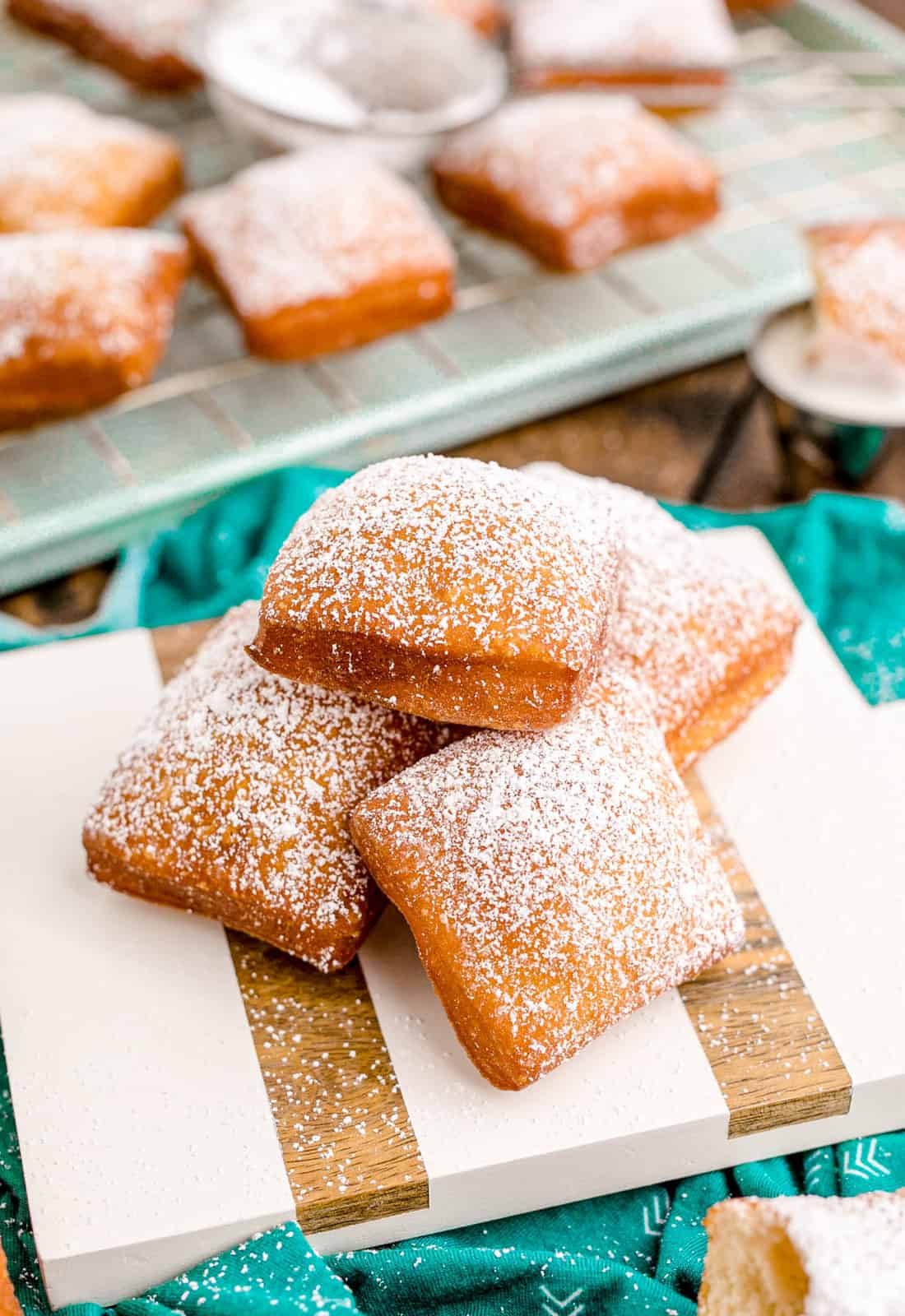
There are few things that make a kitchen feel cozier than the smell of fresh beignets frying in hot oil. The warm, buttery aroma fills the house, and before you know it, everyone is gathered around the kitchen waiting for the first batch. That’s exactly why this Easy Beignet Recipe has become one of my favorite homemade treats. It’s simple to make, incredibly soft inside, lightly crispy outside, and generously covered with powdered sugar.
The first time I tried beignets, I was amazed at how light and fluffy they were. They looked like little pillows of happiness dusted with snowy powdered sugar. I assumed they would be difficult to make at home, but after experimenting with a few recipes, I discovered that homemade beignets are much easier than they seem.
What I love most about this recipe is that it uses everyday pantry ingredients. There’s nothing complicated here—just flour, yeast, milk, butter, sugar, and a little patience while the dough rises. The result is a bakery-quality treat that tastes amazing fresh from the fryer.
Whether you’re making breakfast for the family, preparing a weekend brunch, celebrating Mardi Gras, or simply satisfying a sweet craving, these homemade beignets never disappoint. They’re delicious on their own, but they’re also wonderful with chocolate sauce, fresh berries, fruit jam, or a hot cup of coffee.
If you’ve always wanted to make soft, fluffy, New Orleans-style beignets at home, this easy recipe is the perfect place to start.
Recipe Origin & Story
Beignets have a long and fascinating history that dates back to France, where fried dough pastries have been enjoyed for centuries. French settlers eventually brought the recipe to Louisiana, where it became one of the most famous treats in New Orleans. Today, beignets are closely associated with the city’s vibrant food culture and are often served warm with a generous dusting of powdered sugar.
Unlike traditional donuts with holes, beignets are usually cut into squares before frying. Their irregular shape gives them a homemade charm, and their light, airy texture makes them irresistible.
The first time I made these at home, I expected them to be good—but I didn’t expect them to disappear quite so quickly! Everyone grabbed one while they were still warm, then immediately reached for another. Since then, they’ve become one of our favorite weekend baking traditions.
Now, whenever I want a homemade dessert that’s comforting, nostalgic, and guaranteed to impress, these fluffy beignets are always at the top of my list.
Ingredient Spotlight
- Main Star: Active dry yeast gives the dough its signature light and fluffy texture by creating tiny air pockets as it rises.
- Secret Boost: A small splash of vanilla extract adds warmth and sweetness that makes the finished beignets taste even more bakery-fresh.
- Quality Tips: Use fresh yeast, room-temperature butter, whole milk, fresh eggs, and high-quality vanilla extract for the softest texture and richest flavor.
Nutritional Benefits
Beignets are definitely a special treat rather than an everyday breakfast, but making them at home allows you to control the quality of the ingredients. Using fresh dairy products and real butter gives them a richer, more natural flavor than many packaged pastries.
Milk contributes calcium and protein, while eggs add protein and help create the tender structure of the dough. Preparing them yourself also means you can adjust the sweetness and avoid unnecessary preservatives.
Enjoyed occasionally as part of a balanced lifestyle, homemade beignets are a wonderful way to celebrate family breakfasts, holidays, and special occasions.
Adaptable Variations
- Dietary Swaps: Use plant-based milk and vegan butter for a dairy-free version, or substitute a gluten-free bread flour blend designed for yeast baking if available.
- Flavor Twists: Add cinnamon, nutmeg, lemon zest, orange zest, almond extract, or fill the finished beignets with chocolate, pastry cream, or fruit jam.
- Seasonal Spins: Serve with fresh berries in spring, peaches during summer, apple cinnamon topping in autumn, or warm chocolate sauce during winter holidays.
Cooking Science Explained
Yeast feeds on the sugar in the dough and produces tiny bubbles of carbon dioxide. Those bubbles expand during frying, creating the signature light and airy interior.
Allowing the dough enough time to rise develops both flavor and texture. Rushing this step often results in dense, heavy beignets instead of fluffy ones.
Keeping the frying oil at the correct temperature—around 350°F (175°C)—ensures the outside becomes beautifully golden while the inside cooks completely without absorbing too much oil.
Easy, Step-by-Step Recipe
Ingredients
- 3¾ cups (470 g) all-purpose flour, plus extra for dusting
- 2¼ teaspoons (1 packet) active dry yeast
- ¾ cup (180 ml) warm whole milk (about 110°F / 43°C)
- ¼ cup (50 g) granulated sugar
- 1 large egg
- 3 tablespoons unsalted butter, melted
- 1 teaspoon vanilla extract
- ½ teaspoon salt
- Vegetable oil for frying
- 1½ cups powdered sugar, for dusting
Instructions
- In a large bowl, combine the warm milk, sugar, and yeast. Let it sit for about 5–10 minutes until foamy.
- Add the egg, melted butter, vanilla extract, and salt, then whisk until smooth.
- Gradually stir in the flour until a soft dough forms.
- Knead the dough on a lightly floured surface for about 8–10 minutes until smooth and elastic.
- Place the dough in a lightly greased bowl, cover with a clean towel, and let it rise for about 1½ hours, or until doubled in size.
- Punch down the dough and roll it out to about ¼-inch (6 mm) thickness.
- Cut the dough into 2-inch squares using a knife or pizza cutter.
- Heat vegetable oil to 350°F (175°C) in a deep pot or Dutch oven.
- Fry a few beignets at a time for about 1–2 minutes per side until puffed and golden brown.
- Transfer them to a paper towel-lined plate to drain excess oil.
- While still warm, generously dust with powdered sugar.
- Serve immediately and enjoy!
Practical & Valuable Tips
- Storage: Beignets taste best fresh, but leftovers can be stored in an airtight container at room temperature for up to 2 days. Reheat in a warm oven for a few minutes before serving.
- Serving Ideas: Serve with coffee, hot chocolate, café au lait, fresh fruit, chocolate sauce, caramel sauce, berry compote, or whipped cream.
- Substitutions: Bread flour creates a slightly chewier texture, while coconut sugar can replace white sugar for a deeper caramel flavor.
Make-Ahead & Batch-Cooking
One of the best things about this recipe is that the dough can be prepared ahead of time. After kneading, cover the bowl tightly and refrigerate the dough overnight. The slow rise develops even more flavor, and the dough is ready to roll out the next morning for a fresh breakfast with very little effort.
You can also cut the dough into squares before refrigerating. Place the pieces on a parchment-lined baking sheet, cover them, and refrigerate until you’re ready to fry. Allow the dough to sit at room temperature for about 20 minutes before cooking.
Although freshly fried beignets are always the best, they can be frozen after frying. Cool them completely, freeze them in an airtight container, and warm them in the oven before dusting with fresh powdered sugar.
Eco-Friendly Kitchen Hacks
- Reuse frying oil by straining and storing it properly for future frying recipes.
- Use leftover dough scraps to make mini beignet bites.
- Store powdered sugar in an airtight container to prevent waste.
- Compost paper towels used for flour dusting if they’re free of oil.
Pairing Suggestions
- Beverages: Café au lait, freshly brewed coffee, espresso, hot chocolate, chai tea, vanilla latte, or fresh orange juice pair beautifully with warm beignets.
- Sides & Toppings: Fresh strawberries, raspberries, blueberries, chocolate sauce, Nutella, whipped cream, caramel sauce, fruit preserves, maple syrup, or vanilla ice cream make delicious accompaniments.
Frequently Asked Questions
- Why didn’t my beignets puff up?
The yeast may have been inactive, or the oil wasn’t hot enough. Always use fresh yeast and maintain the oil at about 350°F (175°C). - Can I bake beignets instead of frying them?
Yes, but they will have a texture more similar to soft dinner rolls than traditional fried beignets. - Can I freeze the dough?
Absolutely! Freeze the risen dough after the first rise, then thaw overnight in the refrigerator before rolling, cutting, and frying. - Why do beignets have so much powdered sugar?
The generous layer of powdered sugar is part of their classic New Orleans style. It balances the lightly sweet dough and creates their iconic appearance.
Call to Action
If you’ve never made homemade beignets before, this easy recipe is the perfect place to begin. They’re light, fluffy, golden, and generously dusted with powdered sugar—everything you love about a bakery treat made fresh in your own kitchen. Whether you’re celebrating Mardi Gras, preparing a weekend brunch, or simply treating yourself, these beignets are guaranteed to impress.
I hope you enjoy every warm, fluffy bite! If you make this recipe, I’d love to hear how you customized it. Did you add cinnamon, fill them with chocolate, or serve them with fresh berries? Leave a comment below with your favorite variation, save this recipe for your next baking day, and don’t forget to share your homemade beignets on social media. Happy baking!
Bonus: Your Kitchen Notes
Every baker eventually develops their own favorite beignet recipe, and this one is perfect for experimenting. Use this section to record your preferred frying time, favorite fillings, topping ideas, or serving suggestions. Maybe your family loved them with Nutella, strawberry jam, cinnamon sugar, or warm chocolate sauce.
Keeping these notes helps transform this recipe into your own family tradition. Before long, these Easy Homemade Beignets will become the breakfast everyone requests for holidays, birthdays, lazy weekends, and special celebrations. Happy baking, and enjoy every soft, fluffy, powdered-sugar-covered bite!