Personalized Introduction
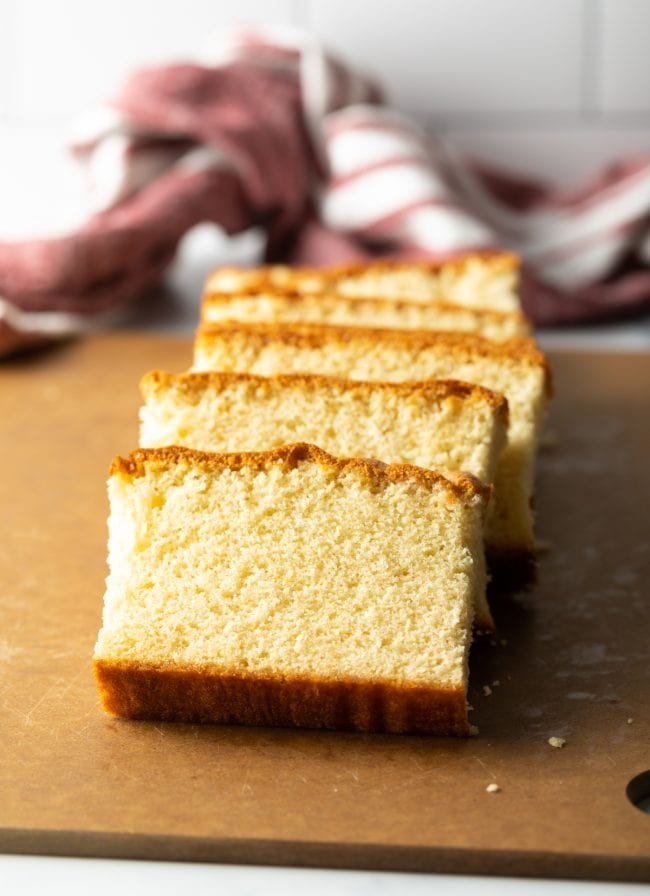
Whenever I want to bake something elegant without making an overly rich dessert, Japanese Sponge Cake is always my first choice. It’s incredibly light, beautifully fluffy, and has a delicate sweetness that makes every bite feel like you’re eating a soft cloud. Unlike heavy butter cakes or dense pound cakes, this sponge cake relies on whipped eggs to create its airy texture, making it both simple and impressive at the same time.
The first time I tasted a Japanese sponge cake, I couldn’t believe how soft it was. The crumb was fine, moist, and springy, with just enough sweetness to satisfy without overwhelming the palate. It was completely different from the sponge cakes I had grown up eating, and I immediately knew I wanted to recreate it at home.
After baking it several times, I realized that this recipe isn’t difficult—it simply rewards patience and gentle handling. Once you understand how to whip the eggs properly and fold the batter carefully, the results are consistently beautiful. Watching the cake rise evenly in the oven is one of the most satisfying parts of the entire baking process.
One of my favorite things about Japanese Sponge Cake is its versatility. You can serve it plain with tea, fill it with whipped cream and fresh fruit, transform it into a birthday cake, or layer it with custard and berries for an elegant dessert. It also pairs wonderfully with coffee, making it perfect for breakfast, brunch, afternoon tea, or celebrations.
If you’ve been searching for a homemade sponge cake that’s soft, moist, and bakery-worthy, this Japanese Sponge Cake recipe is the perfect place to start.
Recipe Origin & Story
Japanese Sponge Cake, often called Japanese Shortcake Sponge, was inspired by European sponge cakes introduced to Japan many years ago. Japanese bakers refined the recipe over time, focusing on creating a lighter, softer texture with a delicate crumb and balanced sweetness.
Unlike many Western cakes that rely heavily on butter or oil, traditional Japanese sponge cakes depend on carefully whipped eggs to provide structure and lift. This technique creates a cake that’s incredibly airy while remaining moist and tender.
Today, Japanese sponge cake serves as the foundation for many famous bakery desserts throughout Japan, especially the beloved Japanese Strawberry Shortcake. However, it’s equally delicious enjoyed on its own because its simple flavor allows the soft texture to truly shine.
I first baked this cake for an afternoon tea gathering, and it quickly became one of my favorite homemade desserts. Every guest commented on how surprisingly soft and light it was, and it’s been part of my baking collection ever since.
Ingredient Spotlight
- Main Star: Eggs are the foundation of Japanese sponge cake, creating its signature fluffy structure and delicate crumb without using large amounts of fat.
- Secret Boost: Warm milk mixed with butter helps create an incredibly moist texture while maintaining the cake’s lightness.
- Quality Tips: Always use fresh room-temperature eggs, sift the cake flour twice, and choose pure vanilla extract for the best flavor.
Nutritional Benefits
Eggs provide high-quality protein, vitamin D, vitamin B12, and essential nutrients that help build the cake’s airy structure naturally. Because the recipe relies on whipped eggs rather than chemical leaveners, it develops a wonderfully delicate texture.
Milk contributes calcium and protein while keeping the crumb soft and moist. Using cake flour instead of all-purpose flour creates a finer, more tender texture that’s characteristic of Japanese baking.
Since Japanese sponge cake contains less butter than many traditional cakes, it feels lighter while still delivering a satisfying dessert experience.
Adaptable Variations
- Dietary Swaps: Use lactose-free milk if needed, substitute plant-based milk with dairy-free butter, or use gluten-free cake flour blends for a gluten-free version.
- Flavor Twists: Add lemon zest, orange zest, almond extract, matcha powder, cocoa powder, espresso powder, or black sesame powder.
- Seasonal Spins: Top with strawberries in spring, peaches in summer, caramelized apples in autumn, or citrus segments during winter.
Cooking Science Explained
Whipping the eggs until they become pale and thick incorporates millions of tiny air bubbles that expand during baking, creating the cake’s signature fluffy texture.
Cake flour contains less protein than all-purpose flour, which reduces gluten development and produces an exceptionally tender crumb.
Folding the flour gently rather than stirring vigorously helps preserve the air trapped inside the batter, allowing the cake to rise beautifully in the oven.
Easy, Step-by-Step Recipe
Ingredients
- 5 large eggs, room temperature
- ¾ cup (150g) granulated sugar
- 1 cup (120g) cake flour, sifted twice
- 3 tablespoons whole milk
- 3 tablespoons unsalted butter
- 1 teaspoon vanilla extract
- Pinch of salt
- Optional Garnishes:
- Powdered sugar
- Fresh strawberries
- Whipped cream
- Mixed berries
- Mint leaves
Instructions
- Preheat the oven to 340°F (170°C).
- Grease and line an 8-inch round cake pan with parchment paper.
- Warm the milk and butter together until the butter melts completely.
- Set the mixture aside to cool slightly.
- Place the eggs, sugar, and pinch of salt into a large heatproof bowl.
- Set the bowl over warm water for about one minute while whisking gently.
- Remove from the heat and beat with an electric mixer for 8–10 minutes until thick, pale, and tripled in volume.
- Add the vanilla extract.
- Sift the cake flour over the batter in three additions.
- Fold gently with a spatula after each addition, taking care not to deflate the mixture.
- Stir a small amount of batter into the warm milk and butter mixture.
- Gently fold this mixture back into the remaining batter.
- Pour the batter into the prepared cake pan.
- Tap the pan lightly to remove any large air bubbles.
- Bake for 30–35 minutes until golden brown and springy to the touch.
- Insert a toothpick into the center; it should come out clean.
- Remove the cake from the oven and allow it to cool for 10 minutes.
- Carefully remove from the pan and cool completely on a wire rack.
- Dust with powdered sugar or decorate as desired before serving.
Practical & Valuable Tips
- Storage: Store the cake tightly wrapped at room temperature for up to 3 days or refrigerate for up to 5 days.
- Serving Ideas: Enjoy with whipped cream, seasonal berries, fruit preserves, chocolate sauce, coffee, or afternoon tea.
- Substitutions: Almond extract, orange blossom water, or matcha powder can provide delicious flavor variations.
Make-Ahead & Batch-Cooking
Japanese sponge cake actually becomes even softer after resting overnight because the moisture redistributes evenly throughout the crumb. Bake it a day ahead for birthdays, celebrations, or afternoon tea parties.
The cake layers also freeze exceptionally well. Wrap each cooled layer tightly in plastic wrap and freeze for up to two months. Simply thaw at room temperature before decorating.
For special occasions, prepare the sponge one day ahead and decorate it with whipped cream and fresh fruit just before serving for the freshest presentation.
Eco-Friendly Kitchen Hacks
- Freeze leftover cake slices instead of letting them dry out.
- Reuse parchment paper if it’s still clean.
- Use leftover berries in smoothies or yogurt parfaits.
- Store cake in reusable airtight containers.
- Turn leftover sponge cake into trifles or cake parfaits instead of wasting it.
Pairing Suggestions
- Beverages: Green tea, jasmine tea, Earl Grey, coffee, cappuccino, iced latte, hot chocolate, or sparkling lemonade all complement this delicate sponge beautifully.
- Sides & Toppings: Fresh berries, whipped cream, vanilla ice cream, lemon curd, fruit preserves, chocolate drizzle, honey, or lightly sweetened mascarpone make wonderful accompaniments.
Frequently Asked Questions
- Why did my sponge cake collapse?
This usually happens if the eggs weren’t whipped enough or the batter was overmixed after adding the flour. - Can I use all-purpose flour?
Yes, but cake flour creates a noticeably softer and more delicate crumb. - Can I make this cake ahead of time?
Absolutely! Many bakers actually prefer making it one day ahead because the texture becomes even softer. - Can I use this sponge for layered cakes?
Yes! It’s the traditional base for Japanese strawberry shortcake and many other elegant layered desserts.
Call to Action
This Japanese Sponge Cake is proof that simple ingredients can create something truly extraordinary. Light, fluffy, moist, and beautifully tender, it’s the perfect cake for birthdays, afternoon tea, family gatherings, or whenever you’re craving a homemade dessert that feels both elegant and comforting.
If you try this recipe, I’d love to hear how you served it! Did you top it with fresh berries, whipped cream, chocolate, or enjoy it plain with tea? Leave a comment below with your favorite variations, and don’t forget to share your homemade Japanese Sponge Cake on social media. Happy baking!
Bonus: Your Kitchen Notes
One of the best things about Japanese Sponge Cake is how adaptable it is. Maybe you discovered the perfect baking time for your oven, added citrus zest, or found a favorite fruit topping. Use this section to record your notes, ingredient adjustments, decorating ideas, and serving suggestions so every future cake becomes even better.
Simple recipes often become cherished family traditions because they leave room for creativity while staying wonderfully reliable. Continue experimenting with different flavors, fillings, and toppings until you’ve created your own signature Japanese Sponge Cake that family and friends will request for years to come.