Personalized Introduction
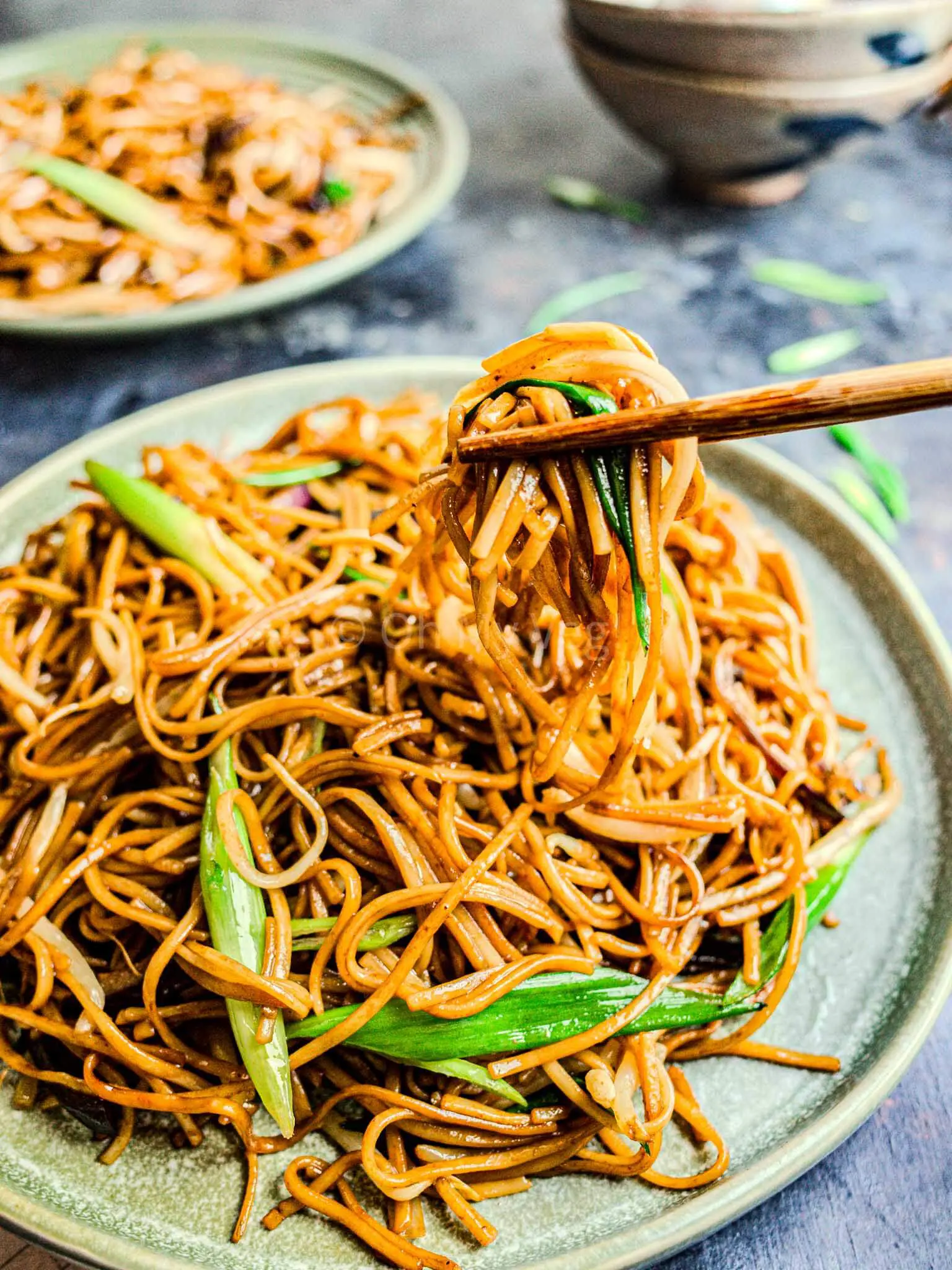
Sometimes the simplest recipes are the ones I make the most, and Plain Lo Mein Noodles are a perfect example. They’re soft, chewy, coated in a savory sauce, and ready in less than 20 minutes. Whenever I’m craving takeout but don’t want to spend extra money or wait for delivery, this easy recipe always comes to the rescue.
The first time I made homemade lo mein, I was surprised by how few ingredients it required. A handful of pantry staples like soy sauce, sesame oil, garlic, and a touch of brown sugar transformed plain noodles into a delicious meal that tasted just like my favorite Chinese restaurant. Since then, this recipe has become one of my go-to lunches and side dishes because it’s quick, budget-friendly, and incredibly satisfying.
One of my favorite things about plain lo mein is its versatility. You can enjoy it exactly as it is or use it as a base for endless add-ins like grilled chicken, shrimp, tofu, mushrooms, broccoli, carrots, or bell peppers. It’s the kind of recipe that works with whatever you already have in your refrigerator, making it perfect for busy weeknights and reducing food waste.
I also love how fast everything comes together. While the noodles cook, you can prepare the sauce in just a few minutes. Once everything is tossed together in a hot skillet or wok, the noodles absorb all those delicious flavors and become perfectly glossy and irresistible.
Whether you’re looking for a quick lunch, an easy dinner, or the perfect side dish for your favorite Asian-inspired meals, these Plain Lo Mein Noodles are guaranteed to become a regular part of your weekly menu.
Recipe Origin & Story
Lo mein is a classic Chinese noodle dish whose name means “tossed noodles.” Unlike chow mein, which is often stir-fried until crispy, lo mein noodles remain soft and tender while being gently tossed with a flavorful sauce. This creates the silky texture that makes lo mein so comforting and satisfying.
Traditionally, lo mein includes vegetables and protein, but plain lo mein has become equally popular because it serves as a versatile base for countless meals. Its simple seasoning allows the noodles themselves to shine while pairing beautifully with almost any main dish.
I first learned to make plain lo mein after trying to recreate my favorite takeout noodles at home. After a little experimenting with soy sauce, sesame oil, garlic, and brown sugar, I found a combination that tasted every bit as delicious as restaurant-style lo mein.
Now it’s one of my favorite recipes whenever I want something warm, comforting, and incredibly easy to prepare.
Ingredient Spotlight
- Main Star: Lo mein noodles are soft, chewy, and perfect for soaking up savory sauces while maintaining their satisfying texture.
- Secret Boost: Toasted sesame oil adds a rich, nutty aroma that gives homemade lo mein its signature restaurant-style flavor.
- Quality Tips: Choose fresh lo mein noodles whenever possible, use naturally brewed soy sauce for deeper flavor, and always mince fresh garlic instead of using garlic powder.
Nutritional Benefits
Lo mein noodles provide carbohydrates that supply energy, making them a filling base for countless meals. Pairing them with vegetables and lean proteins creates a balanced, satisfying dish.
Garlic contains natural antioxidants and adds plenty of flavor without adding significant calories. Sesame oil contributes healthy fats while enhancing the overall taste with just a small amount.
Preparing lo mein at home also allows you to control the sodium level by adjusting the amount of soy sauce and choosing low-sodium varieties if desired.
Adaptable Variations
- Dietary Swaps: Use gluten-free rice noodles with gluten-free tamari for a gluten-free version, or substitute whole wheat noodles for added fiber.
- Flavor Twists: Add chili garlic sauce, crushed red pepper flakes, oyster sauce, hoisin sauce, ginger, or sesame seeds for extra flavor.
- Seasonal Spins: Toss in spring peas and asparagus during spring, zucchini in summer, mushrooms in autumn, or bok choy throughout winter.
Cooking Science Explained
Cooking the noodles just until al dente helps them maintain their chewy texture when they’re tossed in the hot sauce. Overcooked noodles can become soft and break apart during mixing.
Heating the garlic briefly before adding the sauce releases its natural aroma while preventing bitterness that can occur if it burns.
Tossing the noodles in the sauce over medium-high heat allows them to absorb flavor evenly while creating the glossy finish that restaurant-style lo mein is known for.
Easy, Step-by-Step Recipe
Ingredients
- 12 ounces lo mein noodles (or egg noodles)
- 2 tablespoons vegetable oil
- 3 garlic cloves, minced
- 2 tablespoons low-sodium soy sauce
- 1 tablespoon dark soy sauce (optional, for color)
- 1 tablespoon oyster sauce (optional)
- 1 teaspoon brown sugar
- 1 teaspoon toasted sesame oil
- 2 tablespoons water or reserved noodle cooking water
- 1 teaspoon grated fresh ginger (optional)
- 2 chopped green onions for garnish
- 1 teaspoon sesame seeds (optional)
Instructions
- Bring a large pot of water to a boil.
- Cook the lo mein noodles according to the package instructions until just al dente.
- Drain the noodles and rinse briefly with warm water if needed.
- Reserve a few tablespoons of noodle cooking water.
- In a small bowl, combine the soy sauce, dark soy sauce, oyster sauce, brown sugar, sesame oil, and water.
- Whisk until the sugar dissolves.
- Heat the vegetable oil in a large skillet or wok over medium-high heat.
- Add the minced garlic and optional ginger.
- Cook for about 30 seconds until fragrant.
- Pour in the prepared sauce.
- Bring the sauce to a gentle simmer.
- Add the cooked noodles to the skillet.
- Toss continuously until every noodle is evenly coated.
- If the noodles seem dry, add a splash of reserved noodle water.
- Continue tossing for another 1–2 minutes.
- Sprinkle with chopped green onions and sesame seeds.
- Serve immediately while hot.
Practical & Valuable Tips
- Storage: Store leftover noodles in an airtight container in the refrigerator for up to 4 days.
- Serving Ideas: Pair with orange chicken, sesame chicken, beef and broccoli, teriyaki salmon, dumplings, or stir-fried vegetables.
- Substitutions: Spaghetti, ramen noodles, udon, or linguine can work if lo mein noodles aren’t available.
Make-Ahead & Batch-Cooking
Plain lo mein is perfect for meal prep because the noodles reheat beautifully. Prepare a large batch and divide it into individual containers for quick lunches throughout the week.
You can also prepare the sauce several days ahead and store it in the refrigerator. When it’s time to cook, simply boil fresh noodles and toss everything together in a hot skillet for a meal that’s ready in minutes.
If you’re planning to add vegetables or protein later, keep them separate until reheating to maintain the best texture.
Eco-Friendly Kitchen Hacks
- Use leftover cooked noodles for next-day stir-fries.
- Store leftovers in reusable glass containers.
- Add leftover vegetables from your refrigerator to reduce food waste.
- Reuse cooking water if thinning sauces.
- Buy pantry staples like soy sauce in larger bottles to reduce packaging waste.
Pairing Suggestions
- Beverages: Jasmine tea, green tea, sparkling water with lime, iced tea, or homemade lemonade pair wonderfully with these savory noodles.
- Sides & Sauces: Vegetable spring rolls, dumplings, egg rolls, cucumber salad, steamed edamame, sweet chili sauce, or spicy chili oil complete the meal beautifully.
Frequently Asked Questions
- Can I use spaghetti instead of lo mein noodles?
Yes! While the texture is slightly different, spaghetti makes an excellent substitute when lo mein noodles aren’t available. - Can I prepare the sauce ahead of time?
Absolutely! Store the sauce in the refrigerator for up to one week and simply shake before using. - Why are my noodles sticking together?
Toss them with a little oil immediately after draining if you’re not using them right away. - Can I add vegetables?
Definitely! Broccoli, carrots, mushrooms, snap peas, bok choy, and bell peppers all work wonderfully.
Call to Action
These Plain Lo Mein Noodles prove that simple ingredients can create incredible flavor. Soft noodles, savory garlic sauce, and rich sesame oil come together in less than 20 minutes for a meal that’s every bit as satisfying as takeout. Whether you enjoy them on their own or customize them with your favorite protein and vegetables, this recipe is sure to become one of your weeknight favorites.
If you make this recipe, I’d love to hear how you personalized it! Did you add chicken, shrimp, tofu, or extra vegetables? Leave a comment below with your favorite variations, and don’t forget to share your homemade Plain Lo Mein Noodles on social media. Happy cooking!
Bonus: Your Kitchen Notes
One of the best things about homemade lo mein is how easy it is to customize. Maybe you like extra garlic, more sesame oil, spicy chili flakes, or plenty of vegetables. Use this section to record your favorite ingredient combinations, cooking times, and serving ideas so you can recreate your perfect bowl every time.
Simple noodle recipes often become household favorites because they’re quick, comforting, and endlessly adaptable. Continue experimenting with different sauces, proteins, vegetables, and seasonings until you’ve created your own signature lo mein recipe. Those personal touches are what make homemade meals truly special.