Personalized Introduction
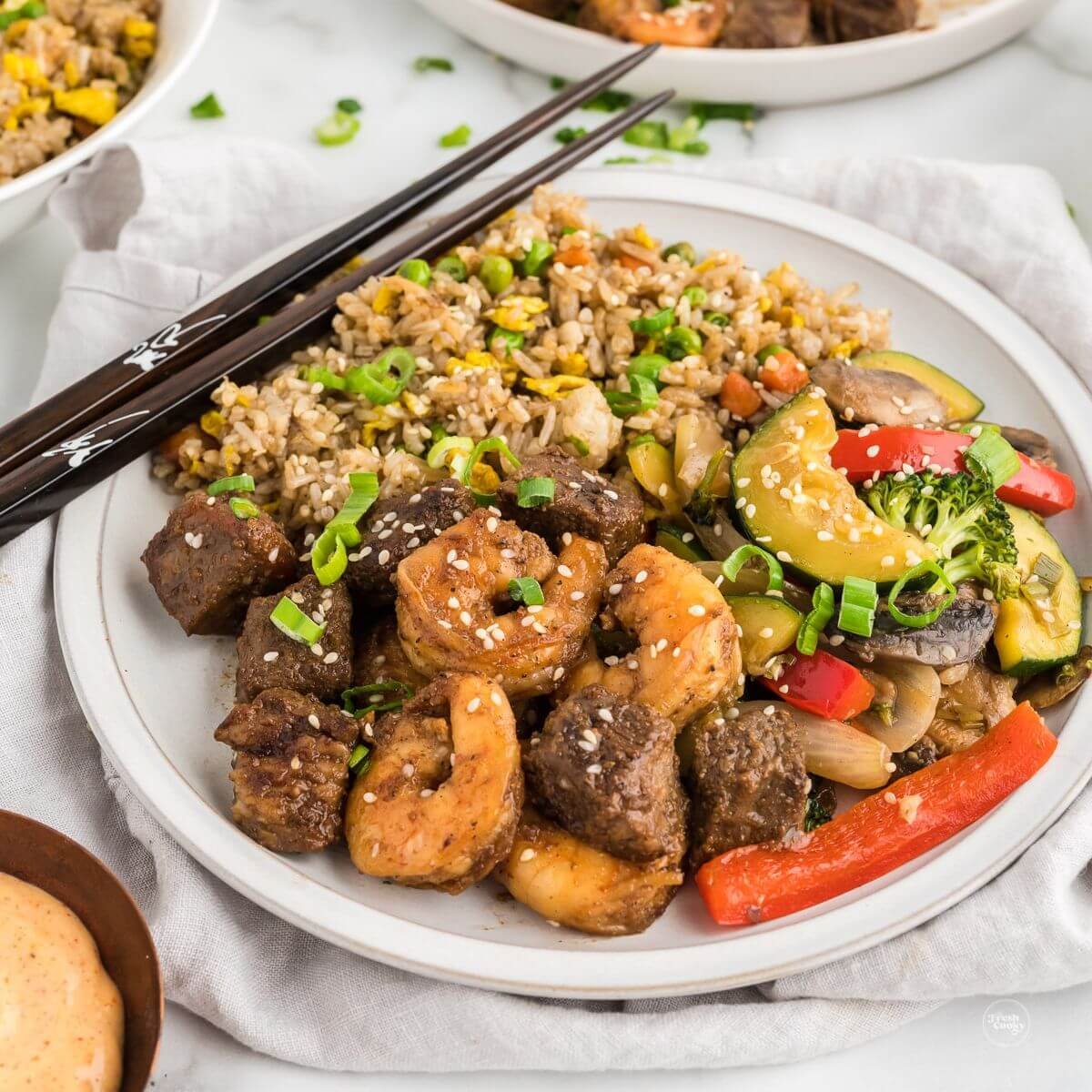
If there’s one dinner that makes me feel like I’ve brought the fun of a restaurant right into my own kitchen, it’s hibachi steak and shrimp with fried rice. It has everything I want in one meal: juicy steak, tender shrimp, buttery vegetables, savory fried rice, and that rich garlicky soy flavor that somehow makes the whole house smell amazing within minutes. It’s one of those meals that feels exciting, a little special, and still totally doable at home without a giant teppanyaki grill or a chef flipping shrimp into the air.
I love making this recipe on nights when I want something that feels like a treat but still keeps me in control of the ingredients, the portions, and honestly the budget too. Restaurant hibachi is fun, but homemade hibachi has its own charm. You get all the sizzle and comfort, but you can make it exactly how you like it. Want extra shrimp? Add it. Love garlic butter rice? Go for it. Prefer more vegetables and less rice? That works too.
The first time I tried making hibachi-style steak and shrimp at home, I was mostly chasing that fried rice flavor. You know the one—salty, buttery, a little smoky from the pan, with eggs tucked into every bite. But once I added steak and shrimp with a simple garlic-soy butter sauce, the whole meal suddenly felt like a proper restaurant-style feast. Now it’s one of my favorite fake-takeout dinners, and if you’ve ever wished you could recreate that hibachi experience at home without a lot of stress, I think you’re going to have a very good time with this one.
Recipe Origin & Story
Hibachi-style meals in the way many of us know them today are strongly connected to Japanese steakhouses, especially the kind where food is cooked on a large flat grill right in front of you. In Japan, the word “hibachi” traditionally refers to a heating device, but in many restaurants outside Japan, “hibachi” has become shorthand for that whole sizzling steakhouse-style experience—steak, shrimp, chicken, vegetables, fried rice, yum yum sauce, and a chef turning dinner into entertainment.
What makes this kind of meal so lovable is that it’s not just one dish. It’s a whole plate built from simple components that work beautifully together: seasoned protein, buttery vegetables, and fried rice that soaks up every bit of flavor from the pan. At home, you don’t need to recreate the performance side of the experience to get the comfort and flavor. A large skillet, a hot pan, and a little organization are honestly enough.
For me, this recipe is tied to those nights when I want dinner to feel a little more fun than usual. It’s not an everyday “throw everything in one pot and hope for the best” meal. It’s more of a “let’s make something exciting and worth sitting down for” meal. And once you realize how straightforward it actually is, it becomes the kind of dinner you’ll start craving regularly.
Ingredient Spotlight
- Main Star: Steak and shrimp together are what make this meal feel extra special. The steak brings richness and a satisfying bite, while shrimp cook quickly and add that sweet, tender seafood contrast. Together, they turn simple fried rice into a full hibachi-style feast.
- Secret Boost: Garlic butter with soy sauce is the flavor backbone here. It coats the steak, shrimp, and rice with that restaurant-style savory richness that makes hibachi taste so comforting and just a little bit addictive.
- Quality Tips: For the steak, choose a tender cut like sirloin, ribeye, or strip steak if you can. For shrimp, peeled and deveined medium or large shrimp are easiest. And for the fried rice, day-old cold rice is your best friend because it fries better than freshly cooked rice and won’t turn mushy in the pan.
Nutritional Benefits
One thing I really like about hibachi steak and shrimp is that it gives you a balanced meal without feeling overly “healthy” in a boring way. Steak and shrimp both provide protein, which makes the meal satisfying and filling. Shrimp also cooks quickly and brings a lighter contrast to the richness of the steak, so the plate doesn’t feel too heavy.
If you include vegetables like zucchini, onions, mushrooms, or carrots on the side, you add color, texture, and a little freshness to the meal. Fried rice gets a boost from eggs too, which add protein and richness while making the rice feel more complete and comforting.
And because you’re making it at home, you can control the amount of butter, sodium, and oil much more easily than in restaurant versions. That means you still get all the flavor, but you can adjust the richness to match your own style.
Adaptable Variations
- Dietary Swaps: You can swap the steak for chicken, tofu, or extra shrimp if you prefer. For a lower-carb version, serve the hibachi steak and shrimp with cauliflower fried rice or a big side of sautéed vegetables instead of regular fried rice.
- Flavor Twists: Add a little ginger to the garlic butter, drizzle on spicy mayo or yum yum sauce, or finish with sesame seeds and chopped green onions for more texture and flavor.
- Seasonal Spins: In summer, serve it with grilled vegetables or a crisp cucumber salad. In colder months, lean into the comfort factor with extra fried rice and sautéed mushrooms or onions.
Cooking Science Explained
The biggest fried rice secret is simple: cold rice fries better than warm rice. Fresh rice is soft and steamy, which makes it more likely to clump and turn mushy. Cold rice has had time to firm up, so the grains separate more easily in the pan and absorb flavor without collapsing.
Steak cooks best when the pan is hot and the meat is dry. If the steak is wet or crowded in the pan, it steams instead of sears, and you miss out on those tasty browned edges that add so much flavor. Patting it dry and cooking in batches if needed makes a real difference.
Shrimp are quick little overachievers. They only need a few minutes, and if you leave them on the heat too long they go from tender to rubbery very fast. So I always cook the steak first, then the shrimp, and let the shrimp have their own short moment in the pan.
Easy, Step-by-Step Recipe
Ingredients
For the hibachi steak and shrimp:
- 1 lb (450 g) sirloin steak or ribeye, cut into bite-sized pieces
- 1 lb (450 g) large shrimp, peeled and deveined
- 2 tablespoons neutral oil, divided
- 3 tablespoons unsalted butter, divided
- 4 cloves garlic, minced
- 3 tablespoons soy sauce
- 1 tablespoon teriyaki sauce (optional, for a slightly sweeter hibachi flavor)
- 1/2 teaspoon black pepper
- 1/2 teaspoon salt, or to taste
- 1 teaspoon sesame oil (optional)
- 2 tablespoons chopped green onions for garnish
For the fried rice:
- 3 cups cooked and chilled rice, preferably day-old
- 2 tablespoons butter
- 2 eggs, lightly beaten
- 1/2 cup diced onion
- 1/2 cup diced carrots
- 1/2 cup frozen peas
- 2 tablespoons soy sauce, plus more to taste
- 1 tablespoon sesame oil or neutral oil
- 2 cloves garlic, minced
- 2 tablespoons chopped green onions
- Salt and black pepper to taste
Optional vegetables on the side:
- 1 zucchini, sliced
- 1 cup mushrooms, sliced
- 1 onion, sliced
- 1 tablespoon butter
- A splash of soy sauce
Instructions
- Prep everything first: Cut the steak into bite-sized pieces, peel and devein the shrimp if needed, mince the garlic, chop the vegetables, and make sure your rice is cold and ready. Hibachi-style cooking moves quickly, so having everything prepped first makes the whole process much easier.
- Season the steak and shrimp: Pat the steak dry and season it lightly with salt and black pepper. Pat the shrimp dry as well and season with a pinch of salt and pepper. If you want, toss the shrimp with a tiny splash of soy sauce for extra flavor.
- Make the garlic butter sauce: In a small bowl, stir together 2 tablespoons melted butter, 2 tablespoons soy sauce, the teriyaki sauce if using, and half of the minced garlic. Set it aside for later.
- Cook the fried rice eggs first: Heat a large skillet, wok, or griddle over medium-high heat. Add a little butter or oil, pour in the beaten eggs, and scramble them just until cooked. Transfer them to a plate and set aside.
- Sauté the fried rice vegetables: In the same pan, add 1 tablespoon butter and the sesame oil or neutral oil. Add the onion and carrots and cook for 2–3 minutes until they begin to soften. Stir in the garlic and peas and cook for another minute.
- Fry the rice: Add the chilled rice to the pan and break up any clumps with a spatula. Stir-fry for a few minutes so the rice starts to heat through and pick up a little color. Add the soy sauce, scrambled eggs, green onions, and a pinch of salt and pepper. Stir everything together, taste, and adjust seasoning if needed. Transfer the fried rice to a bowl or keep it warm on low heat.
- Cook the steak: Wipe out the pan if needed, then heat 1 tablespoon oil over high heat. Add the steak pieces in a single layer. Let them sear without moving them too much at first so they develop a little browning. Cook for about 2–4 minutes, depending on the size of the pieces and how done you like your steak. Add 1 tablespoon butter and a little of the garlic butter sauce near the end, toss to coat, then transfer the steak to a plate.
- Cook the shrimp: In the same hot pan, add the remaining oil if needed and cook the shrimp for about 1–2 minutes per side, until pink and just cooked through. Add the remaining garlic and a little more of the garlic butter sauce during the last minute and toss gently. Don’t overcook them—they finish fast.
- Optional vegetable side: If you want the full hibachi plate experience, quickly sauté zucchini, mushrooms, and onion in butter with a splash of soy sauce until just tender.
- Bring it all together: Serve the fried rice on plates or in shallow bowls, top with steak and shrimp, and spoon any extra buttery pan juices over the top. Add the sautéed vegetables on the side if using, and finish with chopped green onions.
Practical & Valuable Tips
- Storage: Store leftovers in separate airtight containers if possible, or together if that’s easier, and refrigerate for up to 2 days. Seafood is best enjoyed fairly quickly, so I wouldn’t let the shrimp sit around too long.
- Serving Ideas: Serve with yum yum sauce, extra soy sauce, spicy mayo, or a little lemon wedge if you like brightness with the shrimp.
- Substitutions: No steak? Use chicken. No shrimp? Double the steak or use salmon chunks. No peas and carrots? Use whatever quick-cooking vegetables you have, like corn, bell pepper, or chopped green beans.
Make-Ahead & Batch-Cooking
The smartest make-ahead move for this recipe is prepping the rice in advance. In fact, I almost consider it part of the recipe. Cook the rice the day before, chill it, and suddenly your fried rice life gets so much easier. You can also chop the vegetables, cut the steak, and mix the garlic butter sauce earlier in the day so dinner comes together fast when you’re ready to cook.
If you want to batch-cook, make a double batch of fried rice and save half for another meal. Fried rice reheats beautifully and can be turned into lunch with a fried egg on top, extra vegetables, or leftover chicken. The steak and shrimp are best freshly cooked, but the prep work can absolutely be done ahead to make the whole process smoother.
For reheating, I like to warm the fried rice in a skillet with a tiny splash of water or a little butter. Steak reheats best gently so it doesn’t toughen, and shrimp should be warmed just until heated through.
Eco-Friendly Kitchen Hacks
- Use leftover rice from another meal instead of cooking a brand-new batch just for fried rice. It’s practical, tasty, and a great way to reduce food waste.
- Save vegetable scraps like onion ends and carrot peels in the freezer if you make homemade broth later.
- If you’re already chopping vegetables for hibachi, prep extra for tomorrow’s lunch or another stir-fry so nothing gets forgotten in the fridge.
- Cook the vegetables, rice, steak, and shrimp in the same pan in stages to cut down on dishes and make cleanup a lot easier.
Pairing Suggestions
- Beverages: Iced green tea, sparkling water with lemon, homemade lemonade, or even a light ginger drink all pair beautifully with hibachi flavors.
- Sides & Sauces: Yum yum sauce is the obvious favorite if you want that classic steakhouse feel. Ginger sauce, spicy mayo, miso soup, a cucumber salad, or simple sautéed vegetables also make lovely additions.
Frequently Asked Questions
-
Can I use freshly cooked rice for fried rice?
You can, but chilled leftover rice gives the best texture. Fresh rice tends to be softer and can turn mushy more easily in the pan. -
What kind of steak works best for hibachi?
Sirloin is a great choice because it’s flavorful and usually a little more budget-friendly than ribeye. Ribeye is delicious too if you want something richer. -
How do I keep shrimp from getting rubbery?
Cook them quickly over fairly high heat and take them off as soon as they turn pink and curl into a loose “C” shape. Overcooked shrimp usually tighten up and get chewy. -
Can I make this all on one skillet?
Yes, absolutely. That’s how I usually do it. Just cook the components in stages: eggs, rice, steak, shrimp, and vegetables if using.
Call to Action
If you’ve been craving that restaurant-style hibachi dinner but want to keep it simple, cozy, and homemade, I really hope you try this hibachi steak and shrimp with fried rice. It’s one of those meals that feels a little exciting from the very first sizzle in the pan, and by the time everything hits the plate, it genuinely feels like you made yourself something special.
If you make it, I’d love to know how you served yours. Did you add zucchini and mushrooms? Go heavy on the garlic butter? Drizzle everything with yum yum sauce? Swap the steak for chicken? However you make it, I hope it brings a little hibachi-night joy into your kitchen without needing a reservation.
Bonus: Your Kitchen Notes
This is a perfect recipe for personal tweaks. Maybe you added extra eggs to the fried rice, used spicy shrimp, finished the steak with sesame seeds, or threw in broccoli because that’s what was in the fridge. Write it down. Those little adjustments are what turn a good recipe into your signature version.
And if this homemade hibachi dinner becomes one of those “why would we order takeout when we can make this?” meals in your house, I would completely understand.